
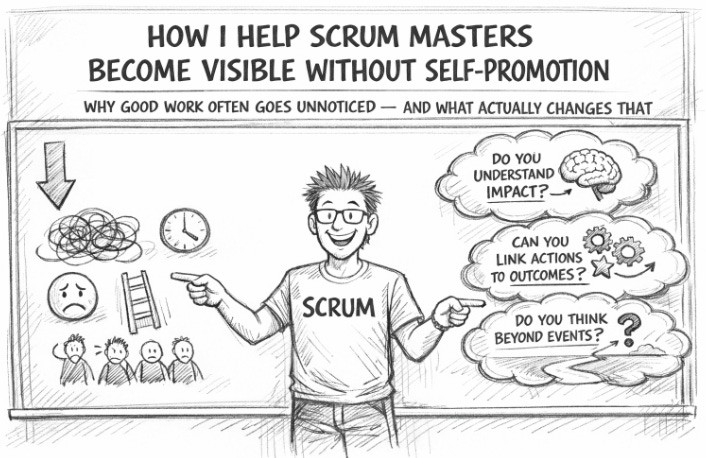
Behind the Scenes: How I Help Scrum Masters Become Visible Without Self-Promotion
Why good work often goes unnoticed — and what actually changes that

A few months ago, Ankit reached out to me after a performance review.
Ankit is the kind of Scrum Master leaders say nice things about.
“Very supportive.”
“Great with the team.”
“Always dependable.”
But the review ended with a line he couldn’t shake:
“You’re doing good work. Let’s see how you can show more impact next year.”
When he told me this, he sounded tired — not upset.
“I don’t like self-promotion,” he said.
“I don’t want to keep talking about myself. But clearly, what I’m doing isn’t visible.”
This tension shows up everywhere.
Scrum Masters don’t want to brag.
Leaders don’t see impact unless it’s explicit.
And somewhere in between, careers quietly stall.
So let me take you behind the scenes and show you how I usually work through this — without turning people into loud performers.
Step 1: Shift from “what I did” to “what changed”
The first thing I reset with Scrum Masters like Ankit is this:
Visibility is not about talking more.
It’s about making change visible.
Ankit used to describe his work like this:
“I facilitated retrospectives.”
“I helped the team align.”
“I supported the Product Owner.”
All true. All invisible.
So I asked him one question: “After you did this, what was different?”
Not what happened during the activity. What changed after.
This is what I call Outcome Translation — taking effort and translating it into movement.

His language slowly shifted to:
“After retrospectives changed, recurring defects reduced.”
“Once priorities were clarified, mid-sprint churn dropped.”
“After stakeholder alignment, Sprint Goals stopped slipping.”
Same work. Very different signal.
Leaders don’t track effort.
They track movement.
Step 2: Make decisions visible, not yourself
Here’s where many Scrum Masters accidentally fall into self-promotion.
They start saying:
“I did this.”
“I suggested that.”
“I pushed for this change.”
It feels awkward. And often unnecessary.
Instead, I coach them to surface decisions, not ownership.
This is Decision Framing — making the decision, trade-off, and risk explicit.
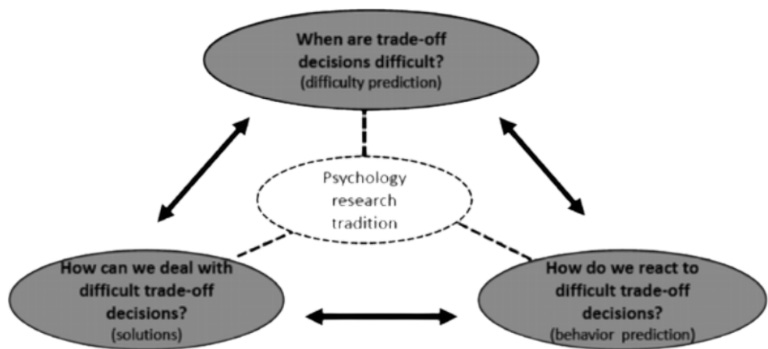
Ankit began saying things like:
“We decided to delay feature X to protect quality.”
“The trade-off here was speed over scope.”
“The risk we’re carrying this sprint is around testing capacity.”
Notice what’s missing.
No “I”. No self-credit.
But leaders now see:
Someone is thinking. Someone is shaping outcomes.
That’s visibility without noise.
Step 3: Speak at the moment leaders are listening
A behind-the-scenes truth most Scrum Masters miss:
They speak at the wrong time.
They explain things:
during stand-ups
inside retros
in team-only forums
Leaders aren’t listening there.
So we identify two moments where visibility actually counts:
When commitments are made
When commitments are reviewed
This is Signal Timing.
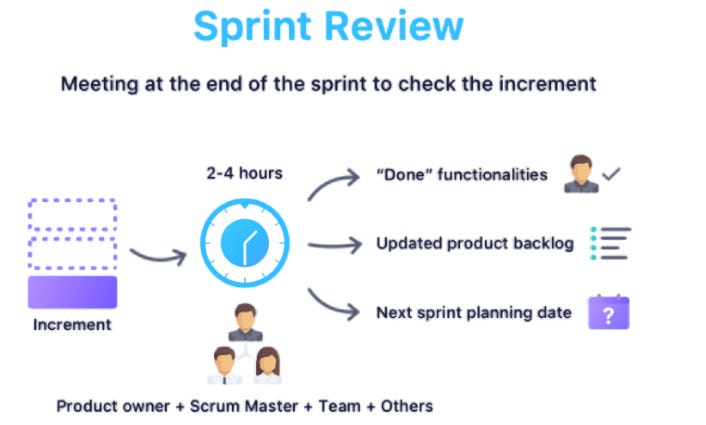
I encouraged Ankit to show up only at those moments and say less — but say it clearly:
“Based on our last three sprints, this commitment carries risk.”
“If nothing changes, we’re likely to repeat last sprint’s outcome.”
No long explanations. No defence.
Just calm signal. That’s visibility.
Step 4: Name tension instead of absorbing it
This was the hardest shift.
Like many Scrum Masters, Ankit was used to absorbing tension so others stayed comfortable.
But comfort hides impact.
So we practised Tension Naming — saying the thing everyone feels but avoids.
He started using simple, grounded language:
“There’s tension between speed and quality here.”
“We’re optimising for predictability, not maximum output.”
“This request conflicts with our Sprint Goal.”
When tension is named, leaders lean in.
Not because you’re loud — but because you’re saying what everyone else is holding.
Step 5: Let outcomes speak, then stop talking
This step surprises people.
Once Ankit started:
translating outcomes
framing decisions
timing his signals
naming tension
I told him to stop explaining.
This is Signal Discipline.
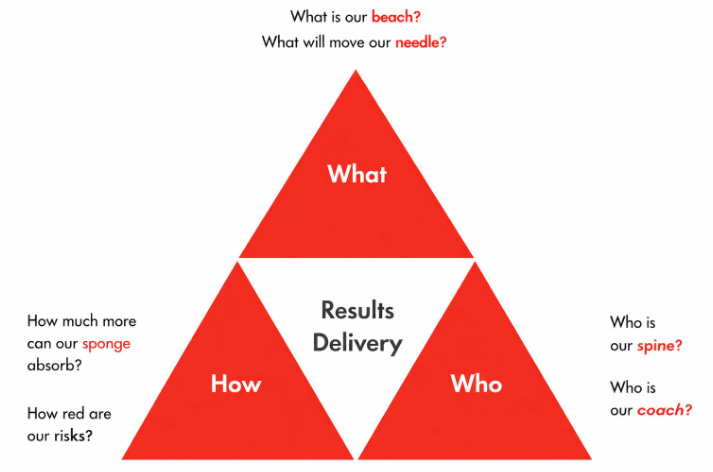
No justifying.
No chasing validation.
No long follow-ups.
A few months later, a leader said:
“When Ankit raises a concern, we should listen. He’s usually right.”
That sentence didn’t come from self-promotion.
It came from consistency.
What this changes long-term
Ankit didn’t become louder.
He didn’t brand himself.
He didn’t post updates every week.
But he started getting pulled into:
planning conversations
risk discussions
roadmap reviews
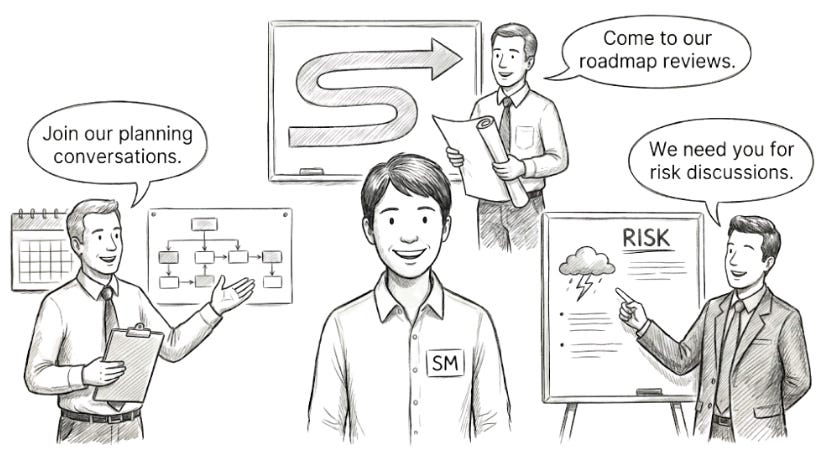
Not because he asked.
Because people trusted his judgement.
That’s the kind of visibility that lasts.
The real takeaway
Most Scrum Masters don’t lack impact.
They lack translation.
They’re doing valuable work — but in a language leadership doesn’t hear.
Becoming visible isn’t about talking more.
It’s about:
Outcome Translation
Decision Framing
Signal Timing
Tension Naming
Signal Discipline
None of these require self-promotion.
All of them build trust.
If your work is good but invisible, don’t amplify yourself.
Clarify the system.
Visibility follows clarity — every single time.
Ace Every Interview Question — With Real Answers That Work
If you’re preparing for Scrum Master, Agile Coach, or Product Owner interviews, this is your go-to prep pack. New set every week!
📥 Download your free Agile Interview Q&A Set here →
Why Subscribe
Each week, I share battle-tested strategies, messy lessons, and practical tools that help Scrum Masters, Product Owners, and change agents like you make sense of chaos — without sugar-coating it.
If you found this useful, subscribe.
This isn’t theory. It’s real work, made a little easier — one step at a time.
Thanks for reading Strategy For Success! Subscribe for free to receive new posts and support my work.
“Just because I understand it, does not mean everyone understands it. And just because I do not understand it, does not mean no one understands it.”

Anand Pandey
Thanks for reading Strategy For Success! Subscribe for free to receive new posts and support my work.
Brilliant breakdown of the visibilty gap. The "Outcome Translation" concept nails it, teams often confuse activity with impact. I've noticed the same with product managers who absorb stakeholder tension without surfacing the trade-offs. What's intresting is how silence actually creates more ambiguity than clarity. Once leaders see someone consistantly naming real constraints, trust builds fast.